
Table of Contents
Understanding Targeted Business Leads
In B2B marketing, businesses leveraging targeted business leads achieve up to 30% higher conversion rates compared to generic outreach, according to lead list building guides. These leads represent segmented sales contacts tailored by firmographics, demographics, behaviors, and intent signals, enabling precise engagement with qualified B2B prospects like tech firms targeting IT decision-makers.
Unlike broad lists that waste resources, targeted business leads reduce inefficiencies and boost outcomes. They drive increased open rates for B2B email lists, build qualified pipelines from robust sales lead database sources, and deliver measurable ROI through enhanced engagement and sales efficiency. For quick access to quality options, many choose to buy leads from trusted providers, ensuring accuracy and compliance.
This guide previews a 7-step process: define goals, research audiences, source data, segment lists, validate contacts, launch campaigns, and analyze results. Alternatively, purchase leads for ready-to-use solutions. Before beginning, establish clear objectives to maximize impact.
Preparing for Targeted Lead Generation
Before diving into sourcing Targeted Business Leads, thorough preparation sets the foundation for success. This ensures your efforts yield precision-targeted prospects that drive revenue and growth. Start by aligning lead generation with your business objectives, crafting detailed buyer personas, and assembling the right tools.
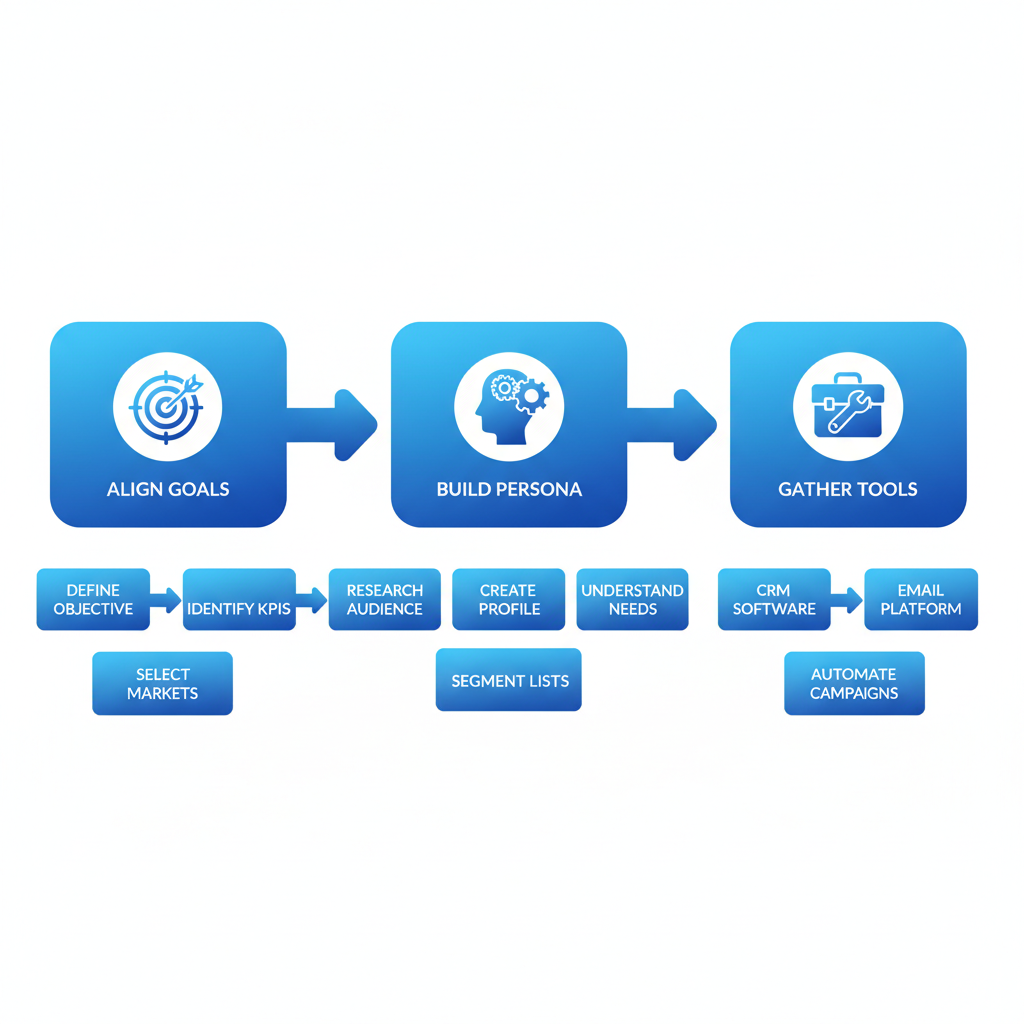
Preparation steps for targeted lead generation process.
Aligning Goals (60 words) Begin by defining clear, SMART goals--specific, measurable, achievable, relevant, and time-bound. For instance, aim to add 500 qualified leads to your pipeline in the next quarter to boost revenue by 20%. This alignment prevents scattered efforts and focuses on metrics like conversion rates or customer acquisition costs, ensuring custom B2B leads support broader marketing and sales targets.
Building Buyer Personas (80 words)
Next, create a buyer persona to represent your ideal customer. Use a step-by-step approach:
- Gather demographics (age, location) and firmographics (company size, industry).
- Identify pain points, such as budget constraints for a SaaS company targeting CTOs in finance.
- Analyze buying behaviors, like preferred channels (email vs. direct mail).
According to B2B case studies, segmenting by job title increases relevance by 25%, making your outreach more effective.
Tools and Budgeting (60 words) Equip your team with essential tools: a robust sales lead database for prospecting, CRM software like Salesforce for tracking, and data hygiene platforms to maintain accuracy. Start with accessible business sales list leads for initial testing, as recommended in lead generation guides. Budget 10-20% of your marketing spend on sourcing and compliance, fostering alignment between marketing and sales teams. This groundwork informs precise data sourcing ahead.
Defining Your Ideal Customer Profile
Crafting an ideal customer profile (ICP) is the foundation for generating Targeted Business Leads that align with your business goals. This profile outlines shared characteristics, such as industry, company size, and pain points, of prospects most likely to convert into loyal customers.
Step 1: Research Key Elements
- Identify the target industry, like software sales to mid-market firms.
- Determine company size by revenue or employee count.
- Pinpoint job titles, such as marketing directors facing lead generation challenges.
- Gather insights via customer surveys, sales analytics, or interviews to uncover specific needs. (68 words)
Defining your ICP sharpens marketing focus and can reduce unqualified leads by up to 40%, according to best practices in '10 Proven Strategies to Generate High-Quality B2B Sales Leads.' This targeted approach boosts conversion rates by prioritizing high-value prospects over broad outreach. (42 words)
Tips for Success: Start with ICP templates from industry resources to streamline the process. Validate your profile with input from the sales team to ensure accuracy. For quick segmentation using B2B email lists or a sales lead database, consider supplementing research with leads for sale tailored to your ideal B2B targets. (52 words)
Researching Reliable Data Sources
After defining your ideal customer profile, the next step involves sourcing reliable data to generate Targeted Business Leads. Focus on organic options like industry directories and LinkedIn searches, purchased lists such as sales leads for sale, and hybrid tools combining both for comprehensive coverage. Evaluate databases, websites, and platforms by checking data freshness through update frequency and compliance with regulations like GDPR or CCPA. According to the Lead List Building Guide, prioritize sources offering 95% accuracy benchmarks to ensure high-quality prospects. Assess coverage for your target industries, verify suppression tools to avoid outdated contacts, and test sample data for relevance. This evaluation process builds a solid foundation for effective lead generation.
Selecting verified lead sources matters because it guarantees 95% data accuracy, minimizing bounce rates and boosting conversion potential. Poor choices risk fines from non-compliance and wasted budgets on irrelevant leads, while reliable ones enhance campaign ROI and build trust in your outreach.
To vet sources effectively, start small with free trials or samples to gauge quality. Check user reviews on platforms like G2 or Trustpilot for real feedback on deliverability. Cross-reference multiple providers to confirm consistency, ensuring your sales lead database aligns with segmentation needs ahead.
Segmenting Your Lead Lists Effectively
Once you have gathered your Targeted Business Leads, the next step is to divide them into meaningful segments. This process enhances relevance in your campaigns by using criteria like industry, job title, company size, and revenue. For B2B email lists, start by applying filters in your sales lead database tools. Begin with firmographics such as industry--separating tech firms from finance companies--and demographics like job roles, targeting decision-makers. Use built-in filters to narrow by location or company revenue for precision. This step-by-step approach ensures your lists align with specific campaign goals, creating focused groups that drive better results.
Segmenting matters because it significantly boosts engagement rates. According to lead generation best practices, targeted segmentation can increase open rates and conversions by up to 50 percent by delivering relevant content to the right audience. Refined B2B segments reduce waste and improve ROI in outreach efforts.
To optimize, test different segments iteratively--compare tech versus finance groups for response variations. Refine based on performance data, and consider options to buy sales leads pre-segmented for efficiency. This practical refinement leads to more effective quality checks in subsequent steps.
Ensuring Data Quality and Compliance
After segmenting your audience, refining data quality ensures reliable outreach. Start with instructions for validation and cleaning to support sustainable targeted business leads practices. Use hygiene tools to verify emails and phone numbers, reducing invalid contacts. Implement suppression lists for do-not-contact entries, such as those opting out under privacy regulations. For modern methods, draw from AI-driven approaches in lead generation resources, which automate anomaly detection and format standardization. Opt for a reputable business database leads source with built-in hygiene features to maintain a high-accuracy sales lead database.
This step matters because clean data preserves email deliverability rates above 95 percent and shields against legal penalties. Non-compliance with laws like the CCPA can result in hefty fines, up to $7,500 per violation, damaging your reputation in B2B marketing.
To optimize, automate routine checks with integrated software and document all processes for audit trails. Prioritize compliant lead data to build trust and enhance campaign effectiveness in acquiring targeted business leads.
Selecting Outreach Channels
Selecting the right outreach channels is crucial for effectively reaching Targeted Business Leads. Begin by matching channels to your audience segments based on their preferences and behaviors. For instance, businesses in tech may respond better to email campaigns using high-quality B2B email lists, while manufacturing firms might prefer direct calls with telemarketing sales leads. Integrate multi-channel strategies by combining email, phone, and social media to nurture multi-channel leads across touchpoints, ensuring comprehensive coverage and higher engagement rates.
This approach matters because it maximizes reach while enabling personalization, leading to better conversion rates. Proven strategies indicate that multi-channel efforts can boost ROI by up to 250% compared to single-channel tactics, as they align with how decision-makers consume information today.
To optimize, conduct A/B testing on channel combinations and track audience preferences through analytics. Regularly refine your sales lead database based on performance data, focusing on providers offering targeted B2B email lists in the US for precise execution.
Building and Activating Your List
Now that you've selected the right channels, it's time to build and activate your list for maximum impact. Start by importing your data from a reliable business leads database to ensure accuracy and relevance. Customize fields like industry, location, and job title to create Targeted Business Leads tailored to your audience. Next, personalize your outreach messages by incorporating prospect details, such as addressing their specific pain points or recent achievements. Finally, schedule sends strategically, spacing them out over weeks to nurture relationships without overwhelming recipients. This structured approach takes your campaign from preparation to execution seamlessly.
Activating your B2B email lists or other formats drives real results by turning passive prospects into active conversations. It builds a robust sales pipeline, increasing conversion rates by up to 30% through timely, relevant engagement. Motivational wins come from seeing initial responses fuel ongoing growth, transforming your list into a revenue powerhouse.
For best outcomes, start small with a test batch of 500 contacts to gauge performance before scaling. Monitor early metrics like open rates and replies, adjusting personalization as needed. Consider a sample campaign: Targeting tech executives with a webinar invite on AI trends, yielding 15% engagement on the first send. Keep momentum high with these activated lead lists to test and refine toward success.
Measuring and Optimizing Results
After implementing your strategy for acquiring Targeted Business Leads, the final step involves measuring performance and refining approaches for sustained success. Begin by establishing key performance indicators (KPIs) such as open rates, click-through rates, conversion rates, and return on investment (ROI). For instance, aim for at least a 20% open rate on email campaigns and a 2-5% conversion rate from leads to sales. Regularly analyze data from your sales lead database to identify patterns, like which segments yield the highest engagement. Use AI-powered tools to automate this analysis, spotting underperforming areas and adjusting audience segments accordingly, such as refining by industry or company size to boost relevance. (72 words)
This ongoing optimization matters because it directly enhances ROI over time. By tracking metrics, businesses can allocate resources more effectively, reducing wasted spend on ineffective tactics and increasing revenue from high-value prospects. Iterative improvements ensure campaigns evolve with market trends, leading to higher-quality optimized B2B leads and better long-term customer acquisition. (48 words)
Practical tips include leveraging automation platforms for real-time reporting and scheduling quarterly reviews to iterate on strategies. Incorporate data leads lists for deeper insights during adjustments. Comparing sales lead database providers can reveal options with superior analytics for US businesses, ensuring data-driven decisions. (38 words)
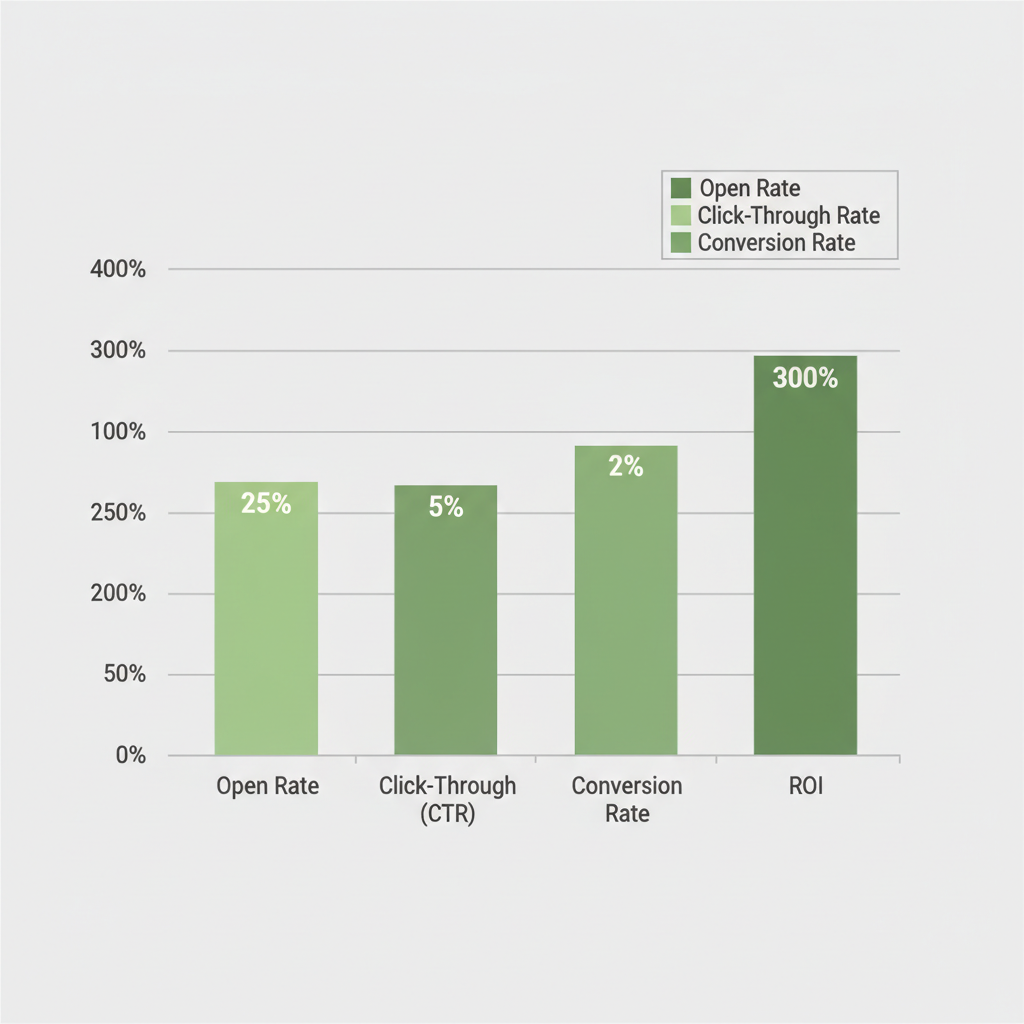
Key performance indicators for lead generation success
With results optimized, you're prepared to address common challenges in the next section.
Overcoming Common Lead Generation Challenges
Generating targeted business leads can feel overwhelming when campaigns hit roadblocks, but understanding these issues equips you to push forward. Many B2B marketers face hurdles that derail progress, from sluggish responses to data mishaps. Below, we outline the most common challenges in pursuing Targeted Business Leads.
Common Issues
- Low Engagement Rates: Emails from B2B email lists often land in inboxes but fail to spark opens or clicks, leading to frustration amid email fatigue. Response rates hover below 5% without tailored approaches, wasting budgets on unresponsive prospects.
- Data Inaccuracies and Bounces: Outdated entries in a sales lead database cause high bounce rates--up to 20% in unverified lists--resulting in lost opportunities and increased costs. Inaccurate firmographics or demographics complicate segmentation efforts.
- Compliance Hurdles: Navigating regulations like GDPR or CCPA trips up campaigns, with non-compliance risking fines or blacklisting. Many overlook audits, leading to deliverability issues.
- Scaling Difficulties: As lead volume grows, manual processes overwhelm teams, slowing personalization and analysis. This bottlenecks growth for mid-sized sales organizations.
(Approximately 120 words)
Step-by-Step Solutions
- Boost Engagement with Personalization: Tailor messages using prospect data from B2B email lists, referencing specific pain points. A case study from lead generation experts shows a 30% uplift in responses after implementing dynamic content.
- Maintain Data Hygiene: Regularly clean your sales lead database to cut bounces--tools can verify emails in real-time. For segmentation troubleshooting, ensure lists allow demographic and firmographic filters to refine targeting--consider using a Targeted Business List.
- Conduct Compliance Audits: Review campaigns against regulations quarterly, suppressing opted-out contacts. Proven strategies highlight consent verification as key to avoiding penalties.
- Automate for Scale: Use automation platforms to handle volume, freeing time for strategy. One B2B firm resolved scaling woes by automating outreach, doubling leads without added staff.
(Approximately 110 words)
Prevention Best Practices
Proactively budget for data hygiene--expect $0.10-$0.50 per contact for quality B2B email lists to avoid hidden costs. Integrate suppression tools early and test small batches to catch issues. Partner with reliable providers for accurate sales lead databases, ensuring long-term campaign success and compliance confidence.
(Approximately 60 words)
With these tactics, turn challenges into opportunities for stronger lead generation.
Integrating Advanced Segmentation Techniques
To elevate your targeted business leads strategy, integrate advanced segmentation by layering intent signals and predictive scoring models. Start by incorporating behavioral data, such as website interactions or email engagement metrics, to identify high-intent prospects. Implement lead scoring models that assign points based on factors like firmographic fit, purchase history, and technographic indicators--such as CRM usage or industry-specific tools. For instance, use AI-driven platforms to predict propensity scores, prioritizing leads likely to convert within your sales cycle. This multi-layered approach refines your marketing lists, ensuring resources focus on prospects with the highest potential.
This technique matters because it sharpens conversion precision, reducing waste in outreach efforts. By moving beyond basic demographics to predictive analytics, businesses can achieve up to 20% higher response rates, as seen in advanced B2B targeting campaigns. It transforms generic outreach into personalized engagement, boosting ROI on sales lead databases.
For success, partner with data providers like those offering B2B email lists with real-time updates. Regularly refresh your segments to account for market shifts, and test models against performance data to iterate effectively.
Scaling Your Lead Generation Efforts
As your business expands, scaling lead generation becomes essential for sustained growth. Implementing scalable lead strategies ensures you can handle increased demand for Targeted Business Leads without compromising effectiveness. Start by automating workflows to streamline processes, such as using AI tools for data enrichment and personalization in email campaigns. This reduces manual tasks and accelerates outreach to prospects in your sales lead database.
Next, expand your sources by diversifying B2B email lists and integrating new data providers, such as Targeted Business Lists. For instance, layer in industry-specific segments to target high-value accounts more precisely. These steps allow you to generate more leads efficiently as campaigns scale.
This approach matters because it supports business growth while maintaining lead quality and ROI. Without proper scaling, rushed efforts can lead to higher bounce rates and wasted resources, diluting your marketing impact.
To succeed, monitor costs closely to avoid budget overruns, and train teams on new tools for optimal use. A growing e-commerce firm, for example, automated its lead nurturing and doubled qualified prospects within six months, boosting revenue by 35 percent.
Mastering Targeted Business Leads for Success
Mastering the art of generating Targeted Business Leads transforms B2B marketing from guesswork to precision strategy. By focusing on your Ideal Customer Profile (ICP), precise segmentation, lead quality, and ongoing optimization, businesses unlock sustainable growth and higher conversion rates.
Key takeaways include:
- Crafting a detailed ICP to pinpoint high-value prospects in your niche.
- Leveraging segmentation tools for tailored outreach using demographics, firmographics, and behaviors.
- Prioritizing lead quality through verified data sources like B2B email lists and sales lead databases to minimize waste.
- Continuously refining campaigns with analytics for better performance.
These practices not only streamline efforts but also amplify ROI. As outlined in 'How to Generate Leads,' targeted approaches can increase conversion rates by up to 20% and deliver returns three times higher than broad tactics, proving the value of quality over quantity.
With these strategies, you're equipped to build converting lists. Start by exploring proven data providers for immediate results in your B2B lead mastery journey.